Developing Mood and Emotion in Your Drawings
Developing Mood and Emotion in Your Drawings
Drawing is more than a copy of reality; it is actually communication of feelings, evocation of emotions, and stirring the viewer. Whether a novice or experienced artist, learning to develop mood and emotion in your drawings will take your art to a whole new level. Here's how you can add emotional depth to your works of art.
1. Psychology of Color
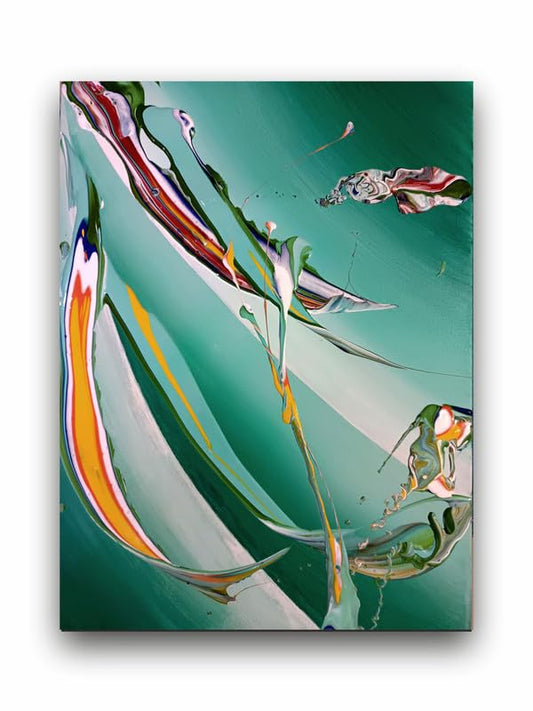
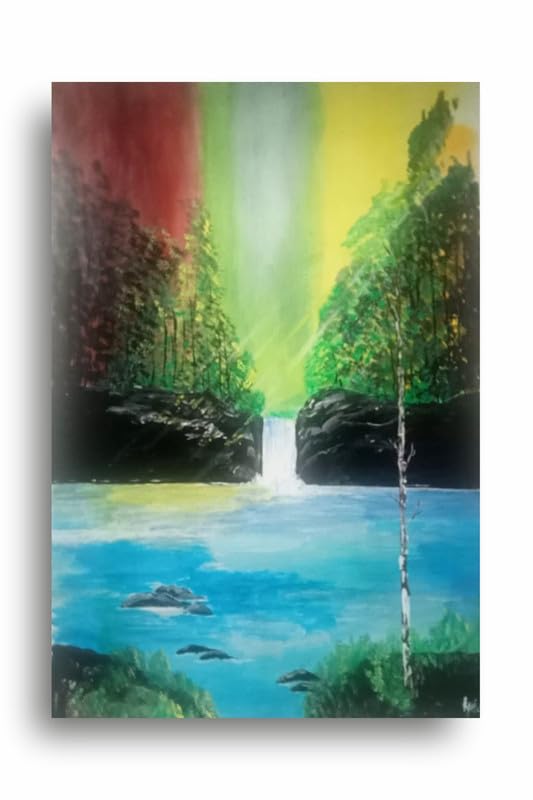
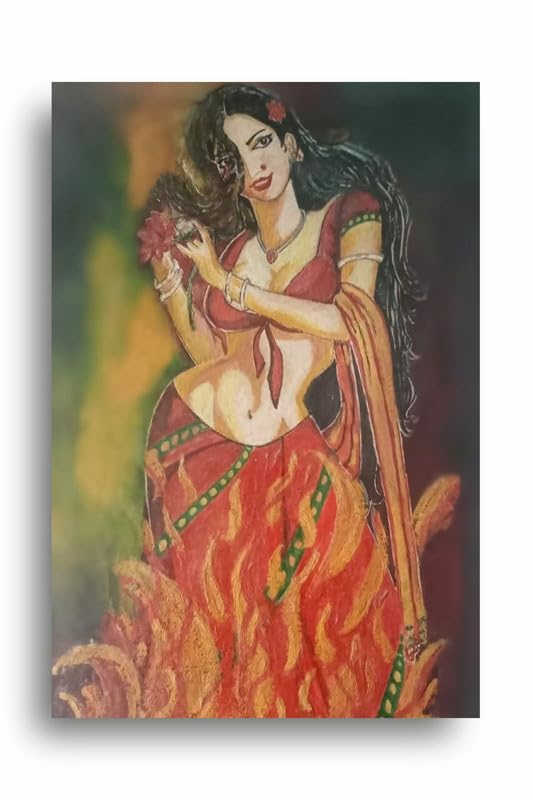
Colors play a key role in establishing the mood you want in your drawings. Different colors will evoke different feelings; for example, warm colors such as red and orange can evoke passion or aggression, while cool colors like blue and green bring feelings of down and sadness. Think of the emotions to be elicited and then make the choice with your color palette. Play with some color combinations and how they change the feel of your piece.
2. Line and Form
The kinds of lines and forms you use can contribute greatly to the mood you want to depict. Soft, curved lines are soothing and gentle. Jagged, angular lines create tension or chaos. A rounded shape speaks to warmth and friendliness. Angular forms are harsh and uninviting. Play with these elements to build moods in your work.
Light and Shadow Rendering
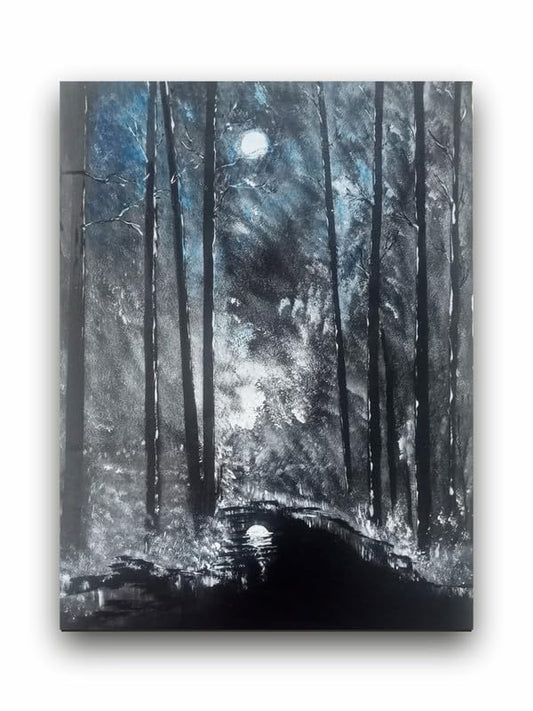
Light and shadow can be good moods in rendering. The combination of light and darkness may give depth and dimension to your drawing that is dynamic. High contrast can bring drama and tension to an emotion, while soft, diffused light brings a restful mood. Experiment with lighting effects so you can vary how they impact the emotional landscape of your work.
4. Facial Expressions and Body Language
Pay attention to facial expressions and body language when you draw figures or portraits. A number of feelings can be communicated by slight changes in the curve of a smile or the way a head is inclined. In fact, even the posture of a figure can convey confidence or vulnerability and tension. Practice nuances to communicate feelings well.
5. Storytelling
Narrative can truly be a powerful emotive element of your artwork. Consider the context of your subject and its story. This could range from just capturing a moment in time, or it might be something as sophisticated as an image of a character's journey. Suggesting that there is a history there can encourage the viewer to establish an emotional connection to your work.
6. Texture
Texture also may affect mood. Coarse textures may symbolize ruggedness or disorder while fine textures convey serenity and peacefulness. Texture can be achieved by using cross-hatching, stippling, and blending techniques.
Conclusion
Understanding and using the tools and their combinations, not just technical skill, is the point of bringing mood and emotion into your drawings. Explore color, line, light, body language, narrative, and texture to create that depth that would engage the viewer. Remember, art is personal expression. So don't be afraid to experiment and find your own voice. Happy drawing!
Developing Mood and Emotion in Your Drawings